
Getting the size right is the single most important decision in any solar project. Too small and you will still depend on the grid or a generator; too large and you pay for capacity you never use. Here is how our engineers approach it.
1. Start with how you use energy
Your KPLC bills show how many kilowatt-hours (kWh) you use each month. Divide by 30 for a daily figure. Then list the appliances you want solar to power — lights, fridge, TV, Wi-Fi, pumps, iron, microwave — with their wattage and daily hours of use.
2. Decide what must stay on during outages
Backup loads drive battery size. Most families prioritise lighting, sockets, fridges, Wi-Fi and security. Heavy loads such as electric cookers and instant showers are usually better left on the grid or replaced with solar water heating.
3. Size the solar array
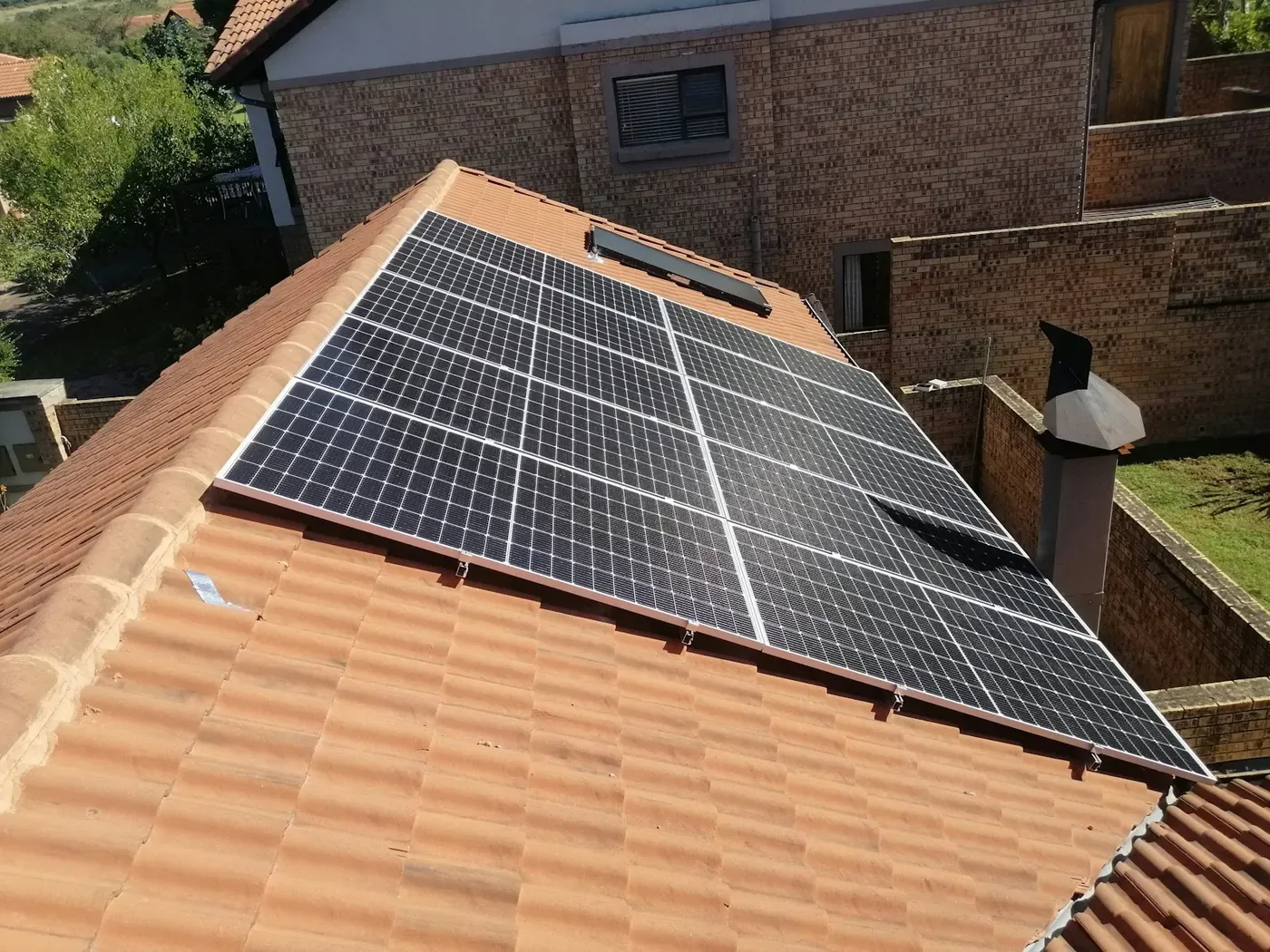
Kenya enjoys around 5 peak sun hours a day in many regions. A home that uses 10 kWh a day needs roughly 2.5–3 kWp of panels once system losses are included. Roof orientation, tilt and shading all affect the final number — which is why we always survey the site.
4. Choose the inverter
The inverter must handle the highest load that runs at the same time, plus the starting surge of motors in fridges and pumps. Hybrid inverters manage solar, batteries and the grid together.
5. Size the batteries
Multiply your critical load (in kW) by the hours of backup you want. Lithium (LiFePO4) batteries can safely use most of their rated capacity and last thousands of cycles, making them the best long-term value for most homes.
The bottom line
Rules of thumb are a useful starting point, but an accurate design needs real data from your site. Book a site survey and our engineers will size a system around how your household actually uses power.